
Pest Control: Protecting Homes, Health, and the Environment
Pest control is an essential service that helps maintain clean, safe, and healthy environments in homes, businesses, and public spaces. Pests such as insects, rodents, and other unwanted animals can damage property, contaminate food, and spread diseases that threaten human health. Effective pest control not only addresses existing infestations but also prevents future problems, ensuring the safety and comfort of residents, employees, and visitors. By combining preventive measures, professional expertise, and modern techniques, pest control plays a vital role in maintaining safe and hygienic living and working conditions.For pest control Athens OH call Elite Pest Management.
One of the primary reasons for pest control is to protect human health. Many pests are carriers of harmful bacteria, viruses, and parasites. Mosquitoes, for example, transmit malaria, dengue, and Zika virus, while rodents can carry leptospirosis, salmonella, and hantavirus. Cockroaches, bedbugs, and fleas are known to trigger allergies, asthma, and skin irritations, particularly among children, the elderly, and individuals with sensitive immune systems. Regular pest control measures help reduce the risk of disease transmission and create a healthier environment. Public facilities such as hospitals, schools, and restaurants especially benefit from proactive pest management to maintain hygiene standards and safeguard public health.
Protecting property is another crucial reason for pest control. Termites, carpenter ants, and rodents can cause significant structural damage if not addressed promptly. Termites alone are responsible for billions of dollars in property damage worldwide each year. Rodents often chew on wiring, insulation, and furniture, creating fire hazards and costly repairs. Professional pest control services provide early detection, targeted treatments, and ongoing monitoring to prevent long-term damage. Timely intervention helps maintain the safety, functionality, and value of homes and commercial properties.
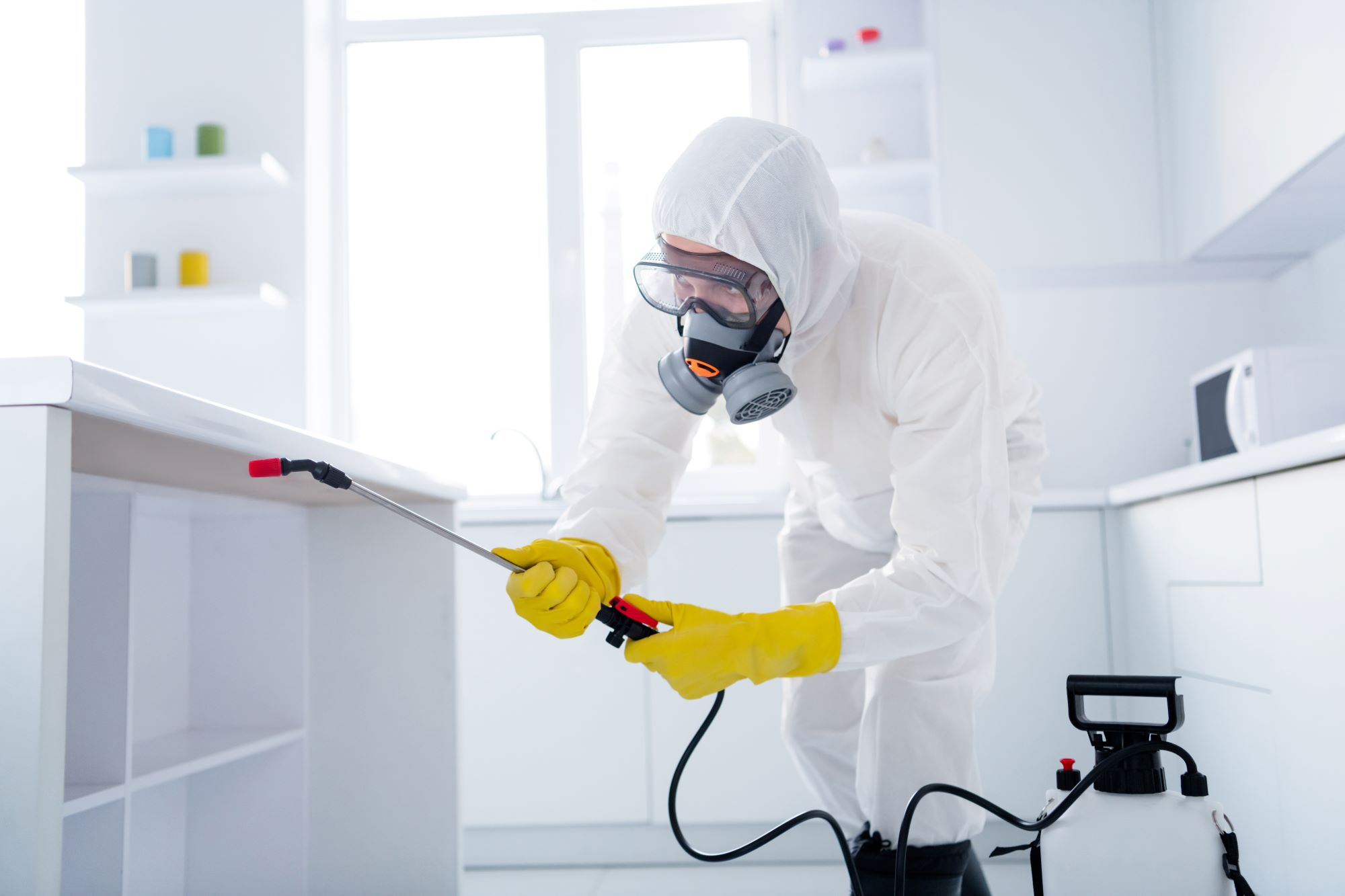
Modern pest control uses a combination of chemical, biological, and physical methods to manage pest populations effectively. Chemical treatments, such as insecticides and rodenticides, are applied carefully to target specific pests while minimizing risks to humans, pets, and the environment. Biological control introduces natural predators or beneficial organisms to sustainably reduce pest populations. Physical methods, including traps, barriers, and sealing entry points, prevent pests from entering buildings or reproducing indoors. Integrated Pest Management (IPM) combines these approaches, focusing on monitoring, inspection, and prevention before using chemicals. IPM provides long-term, eco-friendly solutions that are both effective and safe.
Preventive measures are a critical component of pest control. Proper sanitation, including regular cleaning, correct food storage, and waste disposal, removes essential resources for pests. Sealing cracks, gaps, and entry points helps keep rodents and insects out of homes and workplaces. Outdoor maintenance, such as trimming vegetation, clearing debris, and removing standing water, reduces breeding grounds for mosquitoes, flies, and other insects. By implementing preventive strategies, property owners can significantly reduce infestations and minimize the need for extensive chemical treatments, saving time and resources.
Professional pest control services provide expertise and tailored solutions for a variety of environments. Residential services protect families and homes, while commercial services ensure compliance with hygiene and safety regulations in industries such as healthcare, hospitality, and food service. Technicians identify pest species, evaluate the severity of infestations, and recommend appropriate treatment plans. Many companies also offer emergency services, ongoing maintenance, and client education to ensure lasting results and continued prevention.
Environmentally friendly pest control methods are becoming increasingly important. Sustainable solutions, including low-toxicity chemicals, natural repellents, and habitat management, minimize harm to humans, pets, and beneficial wildlife. Eco-friendly practices focus on prevention and precise interventions, balancing effectiveness with environmental responsibility. Sustainable pest control not only protects property and health but also supports ecological balance and community well-being.
In conclusion, pest control is essential for safeguarding homes, businesses, and public spaces. By preventing infestations, protecting health, and preserving property, pest control enhances quality of life and ensures safe, hygienic environments. Combining preventive measures, professional expertise, and modern techniques provides effective, sustainable, and reliable pest management. Whether for residential, commercial, or public spaces, pest control is a key component of modern living, protecting people, property, and the environment.