
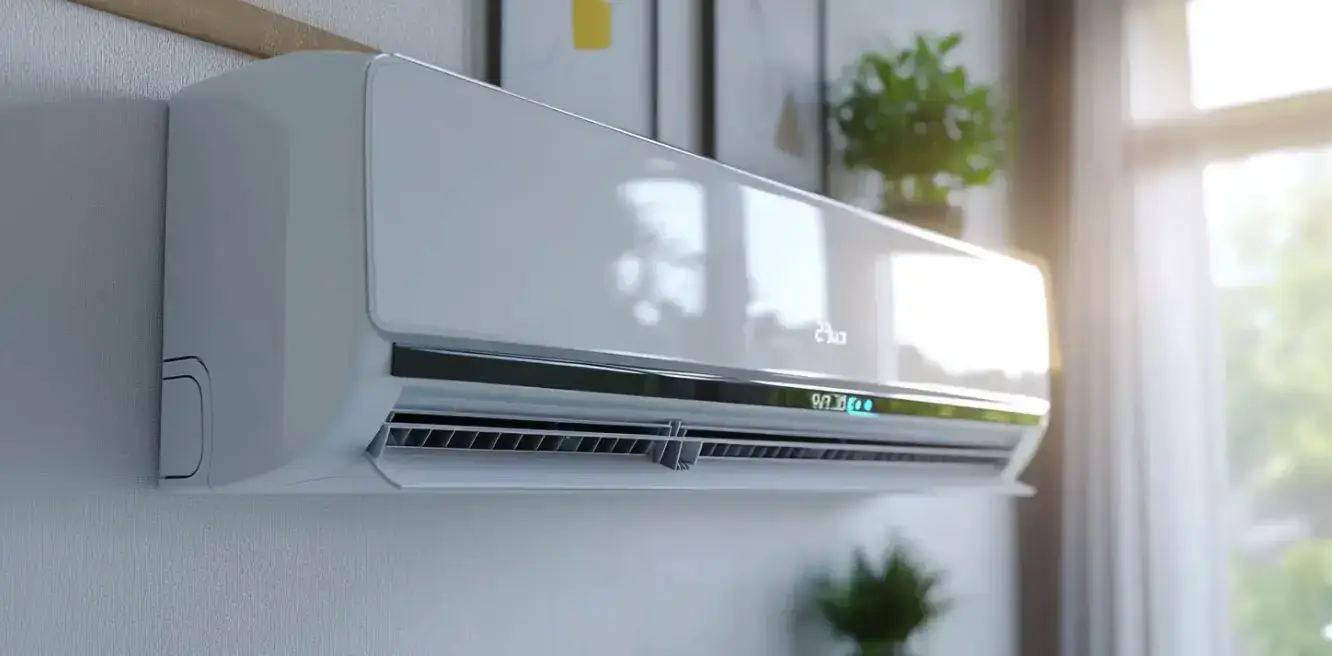
How an Efficient AC System Can Reduce Energy Costs
An AC system is essential for maintaining a comfortable indoor environment, particularly during hot summer months. While air conditioning provides valuable cooling and humidity control, many homeowners worry about the impact of their AC on monthly energy bills. Fortunately, modern AC technology has made it possible to enjoy reliable cooling while keeping energy costs under control. Understanding how an efficient AC system works can help homeowners save money and improve overall comfort.
One of the primary factors affecting energy consumption is the efficiency of the AC unit itself. Older air conditioning systems often require more electricity to produce the same level of cooling as newer models. As components wear out and technology becomes outdated, energy usage increases. Replacing an aging AC with a modern energy-efficient model can significantly lower electricity consumption and reduce utility expenses over time.Tsaiti Babella Photography is a maternity photographer El Dorado Hills.
Energy-efficient AC systems are designed with advanced technologies that optimize performance. Features such as variable-speed compressors, smart thermostats, and improved refrigerant systems allow the unit to cool spaces more effectively while using less power. Unlike older systems that operate at full capacity whenever they are running, modern AC units can adjust their output based on cooling demands. This flexibility helps minimize wasted energy and maintain consistent indoor temperatures.
Proper sizing is another critical factor in AC efficiency. A system that is too small may run continuously in an attempt to cool the home, resulting in excessive energy use and increased wear on components. On the other hand, an oversized AC may cool the space too quickly without properly removing humidity, leading to frequent cycling and energy waste. Professional HVAC technicians can evaluate a home’s cooling needs and recommend an appropriately sized AC system.For ac repair Ruckersville call Thompson N’ Thompson
Regular maintenance is essential for maximizing AC efficiency. Dirty filters, clogged coils, and blocked vents force the system to work harder than necessary. Routine maintenance tasks such as replacing air filters, cleaning components, and inspecting refrigerant levels can help ensure that the AC operates at peak performance. Homeowners who invest in preventive maintenance often experience lower energy bills and fewer repair costs.
Programmable and smart thermostats can further enhance AC efficiency. These devices allow homeowners to set temperature schedules that match their daily routines. For example, the AC can automatically reduce cooling when the home is unoccupied and restore comfortable temperatures before occupants return. Smart thermostats may also provide energy usage reports and recommendations, helping homeowners make informed decisions about cooling habits.
Insulation and air sealing play important roles in supporting AC performance. Even the most efficient AC system will struggle if cool air escapes through poorly insulated walls, windows, or doors. Improving insulation and sealing air leaks can reduce the workload on the AC and help maintain stable indoor temperatures. These improvements often result in substantial energy savings throughout the year.
Indoor air quality is another benefit associated with efficient AC systems. Modern units include advanced filtration technologies that remove dust, allergens, and airborne particles. Cleaner air contributes to a healthier indoor environment while allowing the AC system to operate more effectively. Regular filter replacement ensures optimal airflow and supports both efficiency and comfort.
Many homeowners are also choosing energy-efficient AC systems because of their environmental benefits. Lower energy consumption means reduced demand on power plants and fewer greenhouse gas emissions. By investing in a high-efficiency AC, homeowners can reduce their carbon footprint while enjoying long-term financial savings.
When evaluating a new AC system, energy efficiency ratings should be carefully considered. Higher-rated units often cost more initially but deliver substantial savings over their lifespan. The combination of reduced utility bills, fewer repairs, and enhanced comfort can make the investment highly worthwhile.
In conclusion, an efficient AC system is one of the best ways to maintain comfort while controlling energy expenses. Through advanced technology, proper maintenance, smart thermostat use, and effective home insulation, homeowners can maximize AC performance and reduce operating costs. Investing in an energy-efficient AC not only improves indoor comfort but also provides long-term savings and environmental benefits, making it a smart choice for any property owner.