
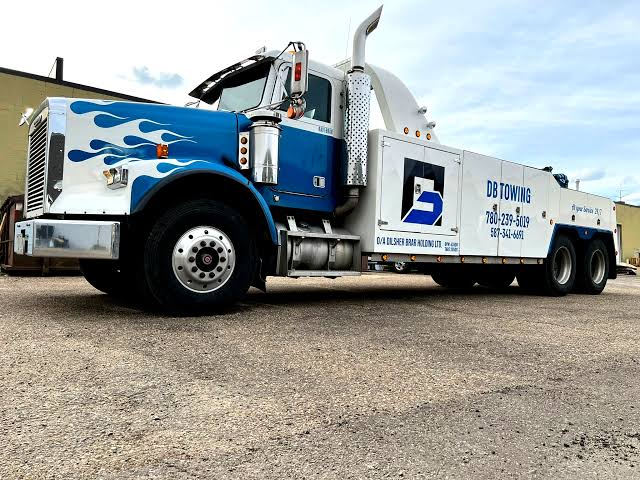
The Ultimate Guide to Tow Truck Services: When, Why, and How to Choose the Right Provider
Finding yourself stranded on the side of a busy highway with a smoking hood or a shredded tire is a rite of passage no driver wants to experience. In moments of panic, the sight of a tow truck pulling up behind you feels nothing short of miraculous. But beyond emergency rescues, the towing industry plays a crucial role in modern road safety, vehicle transport, and urban management.
Understanding how tow services work, the different types of equipment available, and how to pick a reliable provider can save you time, money, and a major headache.
More Than Just a Hook and Chain: The Evolution of Towing
Gone are the days when a heavy-duty pickup with a rudimentary chain was the standard for roadside recovery. Modern tow truck fleets are sophisticated engineering marvels equipped with hydraulic lifts, computerized winches, and specialized flatbeds designed to transport vehicles without causing a single scratch to the transmission or bumper.
Today’s industry relies heavily on two primary configurations:
- Flatbed Tow Trucks: The gold standard for modern towing. A hydraulic bed tilts down to the ground, allowing the vehicle to be winched securely onto a flat surface. All four wheels are off the pavement, making it the safest option for all-wheel-drive cars, luxury vehicles, and severely damaged autos.
- Wheel-Lift Tow Trucks: These utilize a metal yoke that slips under the front or rear wheels of the disabled vehicle, lifting it off the ground while the remaining wheels roll behind. They are highly maneuverable and excellent for tight spaces, like crowded parking garages.
When Do You Really Need a Tow Truck?
Not every mechanical hiccup requires calling a professional. A dead battery might just need a simple jump-start, and a flat tire can often be swapped out for a spare right on the shoulder (if you are in a safe location). However, you should call a tow truck immediately under the following circumstances:
- Severe Mechanical Failure: If your engine is overheating, your transmission has slipped, or you notice fluid gushing from the undercarriage, driving further risks catastrophic engine damage or fire.
- Major Accidents: Even if the car still runs after a fender-bender, hidden structural damage, leaking fuel, or compromised steering components make driving dangerous.
- Immobilizing Flat Tires (or No Spare): If you are stranded without a spare tire, or if the lug nuts are completely rusted tight, professional roadside assistance is your only safe bet.
- Ditch or Off-Road Recoveries: Slipping off an icy road or sliding into a muddy ditch requires a winch and specialized rigging that only a heavy-duty tow truck operator can safely execute.
How to Choose a Reliable Towing Service
When you are stressed and pressed for time, it is easy to fall victim to predatory towing practices or wildly inflated bills. To protect yourself, keep a few best practices in mind before an emergency strikes:
- Save a Number Now: Don’t wait until you are stranded to Google a local tow truck company. Research a reputable local provider ahead of time and save their dispatch number in your phone. Check reviews on Google and Yelp to gauge their reliability.
- Verify Insurance and Licensing: Legitimate towing companies carry proper garage-keeper’s legal liability insurance. This ensures that if your car suffers additional damage while being loaded or transported, you are fully covered.
- Demand Transparent Pricing: A trustworthy operator will clearly state their hook-up fee (base rate) and their mileage rate over the phone before dispatching a driver. Beware of companies that are vague or promise suspiciously cheap rates that balloon once your car is hitched.
- Check Your Auto Insurance or Club Memberships: Always check if your car insurance policy, credit card perks, or roadside programs (like AAA) include complimentary or discounted towing before paying out of pocket.
Staying Safe While Waiting for the Tow
If you do find yourself broken down, your primary job shifts from driver to safety coordinator. Pull as far onto the right shoulder or median as physically possible. Turn on your hazard lights immediately, and if you have reflective triangles or flares, set them up behind your vehicle.
As a rule of thumb, it is generally safer to remain buckled inside your vehicle with your seatbelt fastened if you are stuck on a high-speed highway, rather than standing exposed to passing traffic. Wait patiently, keep an eye out for the specific tow truck company you called, and you will be back on the road before you know it.