
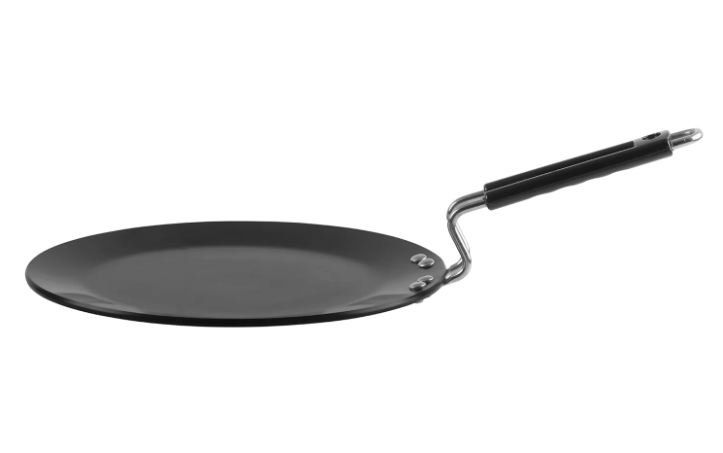
Best Cast Iron Tawa for Crispy Rotis and Parathas
There’s a certain magic in watching a roti puff up perfectly over steady heat or hearing the gentle sizzle of a paratha turning golden brown. The secret behind that irresistible texture often lies not in the dough alone, but in the cookware used. A high-quality cast iron tawa has long been trusted in traditional kitchens for its ability to deliver consistent heat and authentic flavor. Whether you’re preparing soft chapatis, flaky parathas, or even experimenting with a classic dosa pan technique, the right tawa can transform everyday cooking into something extraordinary.
Why Choose a Cast Iron Tawa?
A cast-iron tawa stands apart from non-stick or aluminum pans for several reasons. First and foremost, cast iron is known for superior heat retention. Once heated, it distributes warmth evenly across the surface, ensuring that your rotis cook uniformly without hot spots. This steady heat helps achieve the perfect balance—crispy edges with a soft interior.
Another advantage is durability. Unlike coated pans that may scratch or peel over time, cast iron cookware can last for generations with proper care. In fact, many families pass down their seasoned tawa as a treasured kitchen essential.
Additionally, cooking on a cast iron tawa can naturally fortify food with a small amount of iron, making it a healthier option for daily meals. This subtle benefit makes it especially appealing for households looking to improve nutritional intake without supplements.
The Science Behind Crispy Rotis and Parathas
Perfect rotis and parathas require precise heat control. If the pan is too hot, the bread may burn before cooking through. If it’s too cool, the dough dries out and becomes tough. A cast iron tawa excels in maintaining a consistent temperature once preheated properly.
When dough meets a hot cast iron surface, the moisture inside begins to evaporate quickly. The steam causes the roti to puff, creating soft layers inside while the exterior browns gently. For parathas, the tawa’s ability to hold heat ensures that each layer crisps beautifully when brushed with ghee or oil.
Features to Look for in the Best Cast Iron Tawa
When shopping for the best cast iron tawa, consider the following factors:
1. Thickness and Weight
A heavier tawa typically retains heat better and prevents warping. However, it should still be manageable for daily use. Look for a balanced weight that feels sturdy without being cumbersome.
2. Pre-Seasoned Surface
Many modern cast iron tawas come pre-seasoned. This layer of oil baked into the surface helps create a natural non-stick effect. If your tawa isn’t pre-seasoned, you can easily season it at home by applying oil and heating it several times.
3. Handle Design
Comfortable and heat-resistant handles make flipping and lifting easier. Some traditional tawas have loop handles, while others feature longer grips for better control.
4. Flat vs. Slightly Concave Surface
For rotis and parathas, a flat surface works best. However, some prefer a slightly concave design to keep oil centered when cooking parathas.
5. Compatibility
Ensure the tawa works with your cooking setup—gas stove, induction, or electric cooktop. Many cast iron options are versatile enough for all heat sources.
Seasoning and Maintenance Tips
To get the best performance from your cast iron tawa, proper seasoning and maintenance are crucial.
- Wash it gently without harsh detergents.
- Dry immediately to prevent rust.
- Apply a thin layer of oil after each wash.
- Heat briefly to allow the oil to bond with the surface.
Over time, your tawa will develop a rich, dark patina. This natural coating enhances non-stick properties and improves flavor.
If rust appears, don’t panic. Simply scrub it lightly, re-season, and your tawa will be as good as new.
Tips for Making Perfect Rotis and Parathas
Even the best cookware needs proper technique. Here are a few tips:
- Preheat the cast iron tawa for at least 5 minutes on medium heat.
- Test heat by sprinkling a few drops of water; they should sizzle gently.
- Avoid overcrowding—cook one roti at a time.
- For parathas, apply ghee gradually to enhance crispiness.
- Press gently with a spatula to encourage even cooking.
Using a well-heated dosa pan for parathas can create restaurant-style crisp layers with minimal effort.
Long-Term Value and Sustainability
Investing in a cast iron tawa isn’t just about cooking quality—it’s also about sustainability. Unlike disposable cookware that needs frequent replacement, cast iron can last decades. Its long lifespan reduces waste and saves money in the long run.
Moreover, because it requires no synthetic coatings, cast iron is an environmentally friendly option. With proper care, one tawa can serve multiple generations.
Final Thoughts
The journey to perfectly crispy rotis and parathas begins with choosing the right cookware. A well-crafted cast iron tawa offers consistent heat, durability, and a timeless cooking experience. Whether you’re preparing everyday chapatis or experimenting with layered parathas on a traditional dosa pan, this classic kitchen tool ensures authentic taste and texture.
By understanding its features, maintaining it properly, and mastering simple techniques, you can elevate your home-cooked meals to a new level. In a world filled with modern gadgets and quick fixes, sometimes the most reliable solution is also the most traditional. A cast iron tawa proves that good cooking doesn’t need complexity—just the right pan and a little patience.